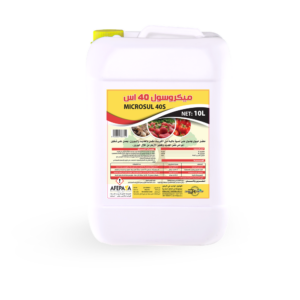
Advantages over Conventional Fertilizers
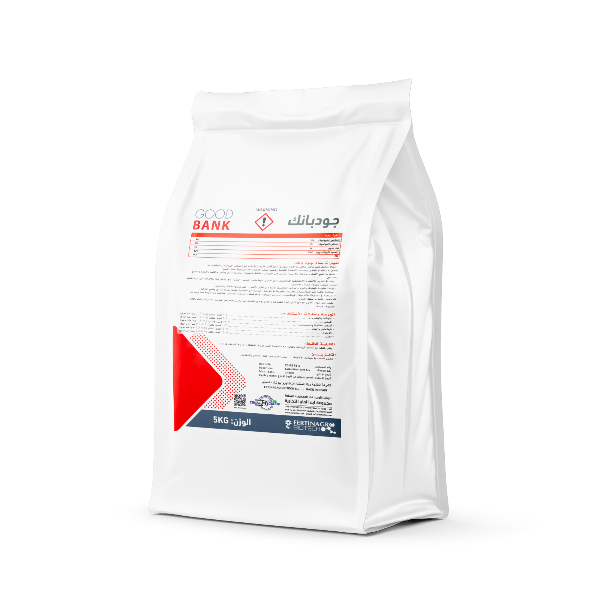
- Potassium is non-fixable and non-precipitating in the soil.
- A smart fertilizer that releases potassium into the soil solution through a dynamic equilibrium system according to plant demand and potassium deficiency levels.
- High efficiency in potassium availability, reaching up to 90% in clay and sandy soils in a plant-available form.
- Chemically complexed potassium combined with biostimulants, providing a dual effect on both soil and plant.
- Reduces production costs while increasing yield and profitability.
- Very low nutrient loss in soil (0–5%), compared to 50–90% losses in conventional fertilizers.
- High fertilizer use efficiency with application rates of 2–3 kg/ha.
- Sustainable agricultural fertilizer, environmentally safe, free from harmful residues, chlorine, and sodium.
- Low salinity index (potassium in SOP form).
- Improves soil cation exchange capacity (CEC).
- Acts as a soil biostimulant, increasing the activity and multiplication of beneficial microorganisms and improving soil water and nutrient retention.
- Enhances potassium reserves in sandy soils and improves their physico-chemical properties.
Benefits for Crops
- Regulates fruit ripening and improves quality by increasing size, weight, color, sugar content, firmness, and texture.
- Controls cell turgor (expansion and contraction of plant cells).
- Regulates opening and closing of stomata, essential for respiration and photosynthesis (CO₂ + H₂O → C₆H₁₂O₆).
- Essential for all vital cellular functions in plants.
- Strengthens stems, branches, and leaves, building a strong plant structure resistant to wind, lodging, and fruit drop.
- Activates at least 60 enzymes involved in plant metabolic processes.
- Improves plant tolerance to water stress, soil salinity, climate fluctuations, frost damage, fungal diseases, and insect pests.
- Increases dry matter accumulation under drought conditions.
- Essential for flowering and fruit set.
- Regulates osmotic pressure inside plant cells, facilitating nutrient transport between cells.
- Enhances soil biological activity due to its organic components.
- Plays a vital role in sugar transport and movement of photosynthetic products, ensuring full yield potential.
- Improves soil cation exchange capacity and reduces soil salinity damage.
- In qat cultivation, improves stem thickening and leaf and branch development.
- Enhances post-harvest transport and storage resistance by regulating water content in leaves and stems.
- Increases crop Brix level (quality and shelf life) after harvest.



Reviews
There are no reviews yet.